Commuters traveling on the Jamalpur-Bhagalpur-Kiul rail section faced a stern reality check this past Saturday. Under the guidance of senior officials from the Malda Division, railway authorities launched an intense, multi-pronged ticket inspection campaign that left ticketless passengers scrambling and significantly boosted revenue collection.
The operation wasn't just about catching rule-breakers; it was a coordinated effort to enforce discipline across one of Bihar’s busiest rail corridors. While some reports highlighted immediate fines collected during specific station checks, broader data reveals a much larger crackdown. Here’s what happened, who led the charge, and why this matters for every train commuter in the region.
A Coordinated Crackdown on Irregular Travel
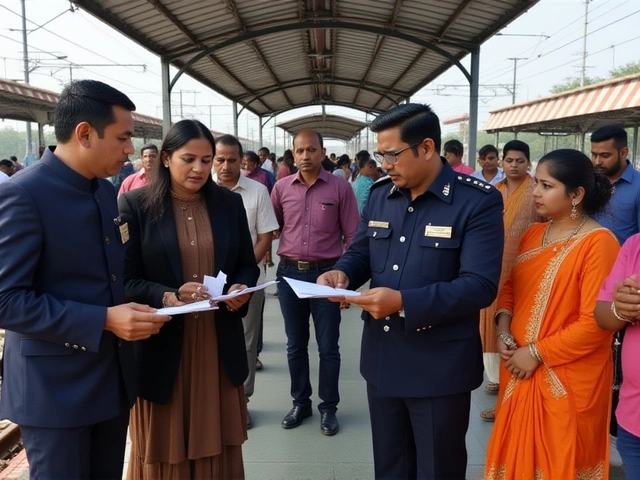
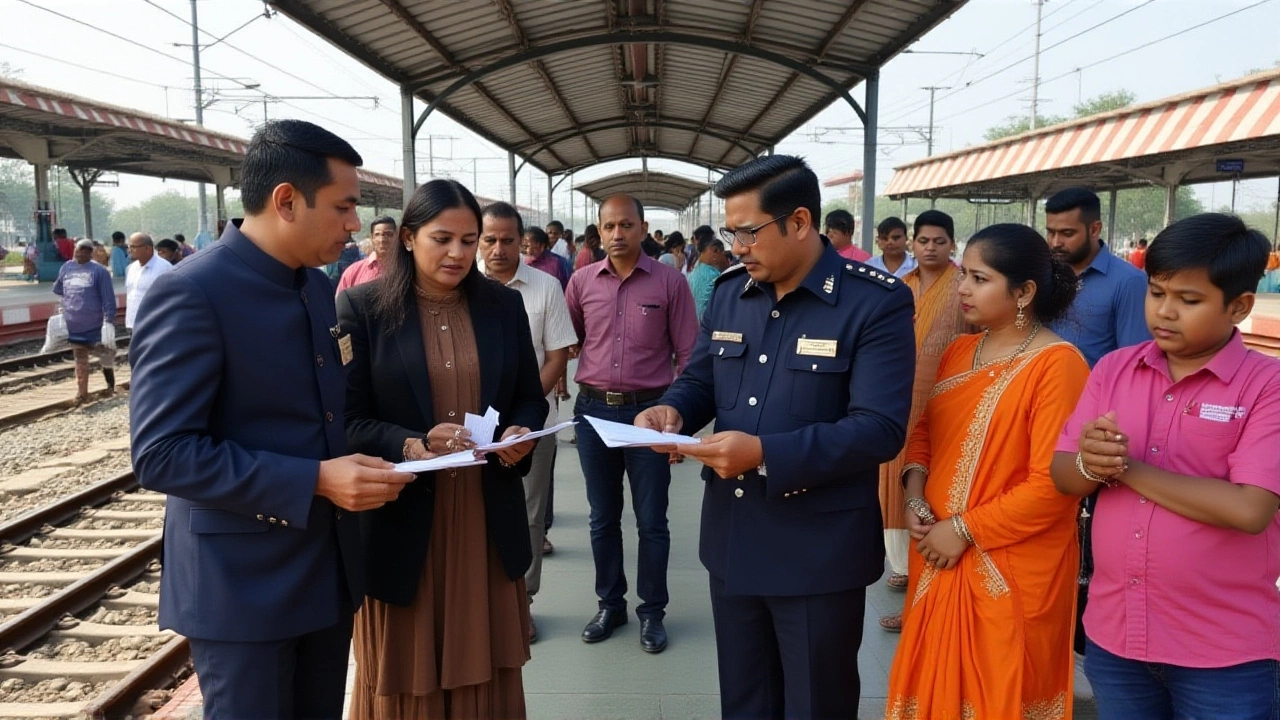
On a single Saturday, the atmosphere at stations along the Jamalpur–Bhagalpur–Kiul route shifted dramatically. Inspectors swarmed platforms and trains, conducting thorough checks in station premises and moving coaches. The result? A palpable sense of urgency among travelers. According to initial reports from local outlets like Live Hindustan, inspectors flagged 320 cases of irregular travel during this specific day-long operation alone.
From these 320 violations, authorities recovered a fine amount of ₹1,24,410. But wait—that’s only part of the story. Broader aggregations from sources like Vocal TV indicate that the entire intensive drive, which may have spanned multiple days or included parallel operations across the division, yielded far higher numbers. In total, 638 cases of ticketless or irregular travel were detected, resulting in a massive recovery of ₹4,55,780.
This discrepancy in numbers likely reflects different reporting windows—one focusing on a single day’s activity at Jamalpur station, while the other covers the cumulative success of the wider Malda Division initiative. Either way, the message is clear: the net has tightened considerably.
Leadership Behind the Operation
High-level oversight ensured the drive’s effectiveness. Manish Kumar Gupta, Divisional Railway Manager of Malda Division, provided strategic direction for the campaign. His leadership focused not just on enforcement but also on systemic improvement.
On the ground, execution fell to Kartik Singh, Senior Divisional Commercial Manager. Singh coordinated with ticket examiners and station staff to ensure comprehensive coverage. Their combined efforts transformed routine inspections into a high-visibility deterrent against fare evasion.
"The goal is twofold," explained a source familiar with the operation. "We need to recover lost revenue, yes, but more importantly, we want to create a culture where carrying valid tickets becomes the norm, not the exception."

Promoting Digital Adoption
Beyond penalties, the drive had an educational component. Inspectors actively encouraged passengers to adopt digital solutions. They promoted the download of the Railway Reservation Application (Railway App), urging users to book tickets online for a smoother, paperless experience.
This push aligns with Indian Railways’ broader national strategy to digitize passenger services. By reducing reliance on physical counters and encouraging app-based bookings, the administration aims to minimize human error, reduce queues, and increase transparency. For many first-time app users, this interaction served as their introduction to mobile ticketing.
Interestingly, the emphasis on digital tools suggests a long-term view. Fines are immediate revenue, but habit formation drives sustainable compliance. If commuters start relying on apps, future violations could drop significantly.
Impact on Commuters and Revenue
For the average traveler, the impact was immediate inconvenience followed by heightened awareness. Those caught without tickets faced hefty fines—often double or triple the original fare. This financial penalty serves as a strong deterrent. However, it also highlights existing gaps in accessibility or awareness regarding ticket purchasing options.
From a fiscal perspective, recovering nearly half a million rupees in a short span is significant. It underscores how substantial the leakage from ticketless travel can be. For a division managing extensive networks across West Bengal and Bihar, plugging these holes directly supports infrastructure maintenance and service improvements.
Moreover, the visibility of such operations acts as a psychological barrier. Knowing that strict checks are imminent makes potential violators think twice. This ripple effect extends beyond the immediate dates of the campaign, influencing behavior for weeks afterward.
What Comes Next?
Authorities have signaled that this isn’t a one-off event. The Malda Division plans to continue regularizing such drives, integrating them into standard operational protocols. Future campaigns may focus on peak travel seasons or specific routes known for high violation rates.
Passengers are advised to stay vigilant. Always carry valid tickets—whether physical or digital—and keep proof accessible. With increased scrutiny, the margin for error has shrunk. The railway administration’s appeal remains simple: travel legally to avoid hassle and heavy fines.
Frequently Asked Questions
How much money was recovered in the Malda Division ticket check?
While a single-day operation at Jamalpur recovered ₹1,24,410 from 320 cases, the broader intensive drive across the division resulted in the recovery of ₹4,55,780 from 638 detected instances of irregular travel.
Who led the ticket inspection campaign?
The campaign was overseen by Manish Kumar Gupta, the Divisional Railway Manager of Malda Division, with on-ground execution managed by Kartik Singh, the Senior Divisional Commercial Manager.
Which railway sections were targeted?
The primary focus was on the Jamalpur–Bhagalpur–Kiul rail section, covering major stations including Jamalpur and areas within the Munger district of Bihar.
Are there incentives for using digital tickets?
While no direct financial discounts were mentioned, authorities strongly encouraged the use of the Railway Reservation App for its convenience, transparency, and paperless nature, aiming to streamline the travel experience.