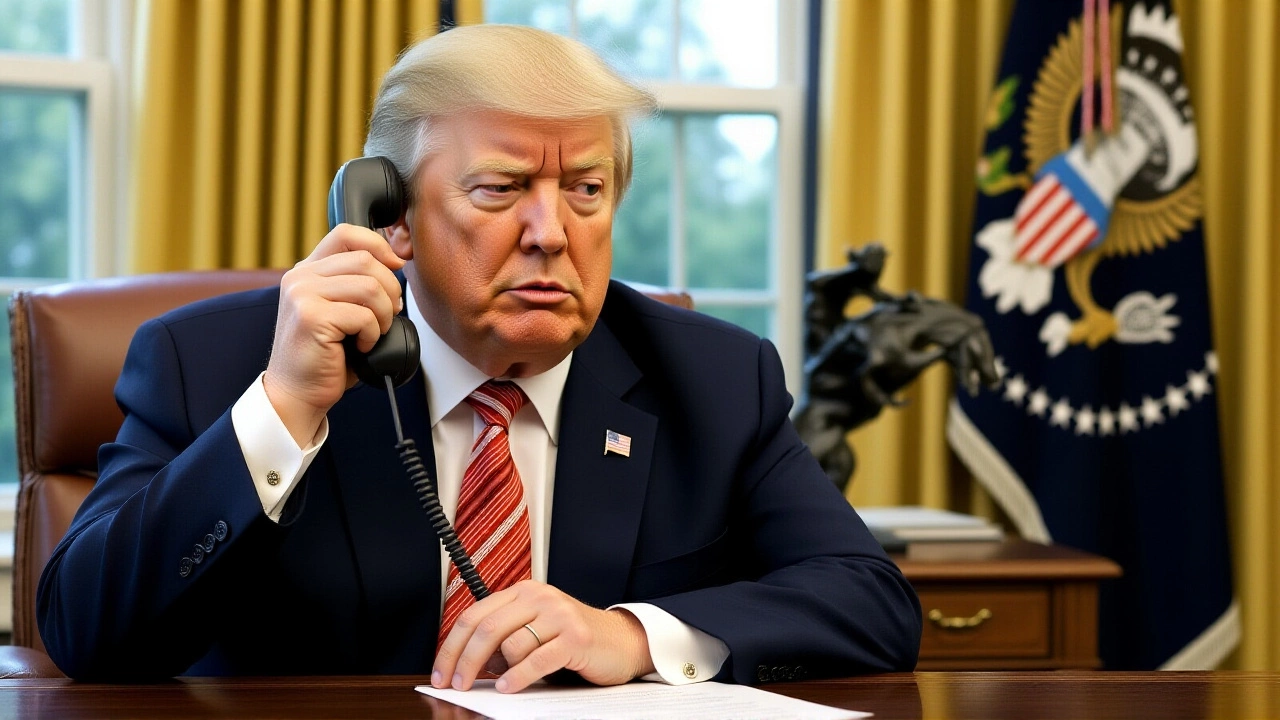
When Donald Trump, former U.S. President, reportedly told leaders of Saudi Arabia, Qatar, and Pakistan to accept Israel, the diplomatic shockwaves were immediate. The message was blunt: normalize relations or face the consequences.
According to reports from Axios cited by Indian media outlets Rashtra.in and Prabhakshee.com, Trump is pushing for a significant expansion of the Abraham Accords. This push comes in the context of potential future dealings with Iran, suggesting that any resolution involving Tehran might be leveraged to force broader regional integration.
The "New Trouble" for Muslim-Majority Nations
Here’s the thing: this isn’t just another diplomatic suggestion. The framing used by these reports describes it as a "new trouble" hanging over Muslim-majority countries. The pressure isn't subtle. It’s being portrayed as an ultimatum where Washington expects formal recognition of Israel as part of a larger geopolitical package.
The twist is that this pressure is specifically targeting three key players who have historically maintained complex relationships with Jerusalem. By naming Saudi Arabia, Qatar, and Pakistan directly, the strategy moves beyond vague encouragement to direct confrontation. These aren't minor states; they are pillars of regional stability and energy security.
Saudi Arabia Stunned, Others Shaken
Reports indicate that Saudi Arabia was left "stunned" by the suddenness and directness of Trump's demand. In diplomatic circles, getting blindsided like this is rare. Usually, there are months of back-channel talks. Not here.
Other Muslim nations reportedly "jumped in surprise." Why? Because normalizing ties with Israel has been a politically toxic issue domestically for decades. Leaders in Riyadh, Doha, and Islamabad know their populations well. Forcing this change without public buy-in could trigger internal unrest. Yet, the American offer—or threat—changes the calculus significantly.
The Iran Connection
The timing is crucial. The reports link this push to the aftermath of potential conflicts or deals with Iran. The logic appears to be: if the U.S. helps resolve the Iranian nuclear threat or ends hostilities, neighboring countries must reciprocate by integrating into a U.S.-led security architecture centered on Israel.
This creates a high-stakes poker game. Trump’s approach has always been transactional. He doesn’t do gradualism. He wants big wins, fast. Expanding the Abraham Accords—which originally brought the UAE and Bahrain into the fold in 2020—is his signature foreign policy achievement. Adding Saudi Arabia would be the crown jewel.
Why Pakistan Is in the Mix
Interestingly, Pakistan is included in this list. While geographically distant from the Middle East, Pakistan holds significant strategic weight as a nuclear-armed Muslim-majority nation. Its inclusion signals that this isn't just about the Middle East; it's about reshaping global Muslim political alignment under American leadership.
Pakistan’s relationship with Israel has been non-existent for decades due to its strong stance on Palestine. Asking Islamabad to recognize Jerusalem is arguably even more difficult than asking Riyadh. It challenges core national narratives that have defined Pakistani foreign policy since 1948.
What’s Next for Regional Diplomacy?
The details of exactly how this pressure will be applied remain unclear. Will it involve military aid packages? Economic sanctions? Or simply the withdrawal of support? Axios suggests the focus is on "more Muslim-majority countries" joining the accords after an Iran deal concludes.
We should watch for official statements from the White House (if Trump returns to power) or from current administrations reacting to these leaks. The ripple effects could destabilize existing alliances. If Saudi Arabia folds, others may follow out of fear of isolation. If they resist, we could see a fractured Middle East divided between pro-normalization and anti-Israel blocs.
Frequently Asked Questions
What are the Abraham Accords?
The Abraham Accords are a series of normalization agreements signed in 2020 between Israel and several Arab nations, including the United Arab Emirates and Bahrain. Brokered by the Trump administration, they aimed to foster peace, trade, and cooperation in the Middle East by ending long-standing diplomatic boycotts of Israel.
Why is Trump pressuring Saudi Arabia now?
Trump views normalizing ties with Israel as a key legacy achievement. Reports suggest he plans to use leverage gained from potential resolutions with Iran to compel Saudi Arabia and other Gulf states to join the accords. The goal is to create a unified regional front against Iranian influence while strengthening U.S. strategic interests.
How does Pakistan fit into this Middle East deal?
Although not in the Middle East, Pakistan is targeted because it is a major Muslim-majority nuclear power. Including Pakistan in normalization efforts signals a broader attempt to reshape global Muslim political alignments. However, domestic opposition in Pakistan to recognizing Israel remains extremely high, making this a particularly challenging ask.
What is the reaction from Muslim-majority countries?
Reactions have been described as stunned and surprised. Leaders in Riyadh and Doha face significant domestic pressure to maintain solidarity with Palestine. Being forced into quick normalization deals without public consensus risks internal instability. Many experts believe these nations will seek time to negotiate terms rather than capitulate immediately.
Is there a confirmed deal with Iran involved?
Not yet. The reports frame this pressure as contingent on or following a resolution of conflicts or a new deal with Iran. It suggests a strategic sequence: first, manage the Iranian threat, then use that diplomatic capital to push for wider regional normalization. No specific date or finalized agreement with Iran has been announced in connection with this report.